The story
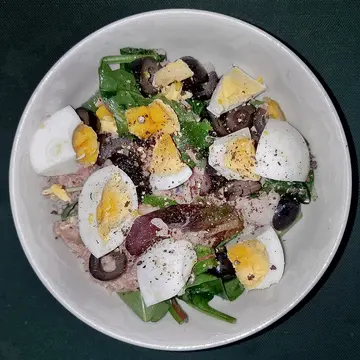
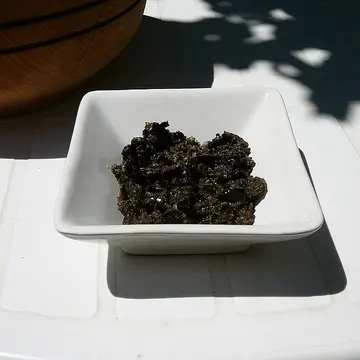
Provence has mixed olives into pastes since Roman times, but the named recipe comes from Marseille. According to the Provençal chefs Jean-Baptiste Reboul and Charles Julliard, it was created in 1880 by a chef called Meynier at La Maison Dorée, a grand café on the Canebière. He pounded capers and black olives with anchovies, tuna, spices, olive oil and cognac to fill halves of hard-boiled eggs, and named the result after tapenas, the Provençal word for capers. The recipe appeared in Reboul's classic regional cookbook and quickly drifted into simpler, eggless versions eaten as a spread. A Marseille chef has since revived the original.
Rival claims
Olive-and-caper pastes are older across the region; the named recipe is credited to chef Meynier of La Maison Dorée.
Also known as tapenada, olive tapenade, black olive tapenade.
On the Meridish menu
Tapenade was the starter course on menu No. 23 on October 23, 2026. Its clue in the game, which hints at the place without naming it:
A dark paste of olives, capers and anchovies, named after the old local word for capers. A chef in this great port city created it in 1880 to fill hard-boiled eggs.
In Meridish, every dish is pinned to the town or city most widely credited with creating it. A guess within 25 km scores all 100 points. How scoring works.
Sources
Food history is often disputed. Think we've pinned it in the wrong place? Tell us at hello@meridish.com, ideally with a source.