The story
Whisked powdered tea took shape in Song-dynasty China, and the Zen monk Eisai brought the habit to Japan in 1191. Tea growing spread from temples near Kyoto to Uji, just south of the city, whose leaf became the most prized in the country. In the 1500s Uji growers began shading their bushes under reed and straw covers before harvest, which made the leaves greener and sweeter. Ground into powder, that shaded leaf became matcha as it is known today, central to the tea ceremony refined by Sen no Rikyu. Its global fame in lattes and sweets came much later.
Rival claims
Whisked powdered tea itself came from Song-dynasty China and reached Japan with the monk Eisai in 1191, and Nishio in Aichi now grows a large share of Japan's matcha; Uji's claim rests on developing the shade-grown method that defines modern matcha.
Also known as matcha green tea, Uji matcha, powdered green tea, maccha.
On the Meridish menu
Matcha was the aperitif course on menu No. 5 on October 5, 2026. Its clue in the game, which hints at the place without naming it:
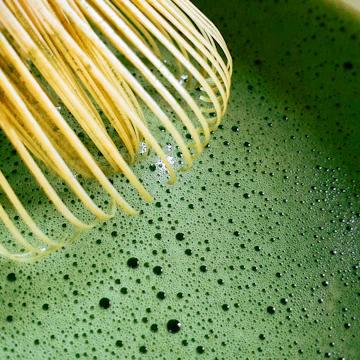
Stone-ground green tea whisked into a froth. Growers around this city pioneered shading the tea bushes before harvest, and have supplied it for centuries.
In Meridish, every dish is pinned to the town or city most widely credited with creating it. A guess within 25 km scores all 100 points. How scoring works.
Sources
- itoen-global.com/enjoymore_tea/origins/where-do-green-tea-and-matcha-come-from-origin-history-and-regions.html
- artsandculture.google.com/story/fwWRJAlX1cVVKQ
- en.wikipedia.org/wiki/Uji_tea
Food history is often disputed. Think we've pinned it in the wrong place? Tell us at hello@meridish.com, ideally with a source.