The story
People in Mexico were roasting agave hearts for food and fermenting its sap long before the Spanish arrived. Distilling agave into a spirit seems to date from the colonial era, and one theory credits stills brought by Filipino sailors on the Manila galleons. In Oaxaca, Zapotec villages in the valleys around Oaxaca City kept the old methods: hearts roasted in earth pits, crushed by stone wheels and distilled in small batches. While Jalisco's version industrialised as tequila, Oaxaca stayed artisanal and now makes about nine tenths of certified mezcal. Nearby Santiago Matatlán calls itself the world capital of the spirit.
Rival claims
Mezcal is a regional spirit made legally in several states, and historians debate where agave distillation began, with some pointing to western Mexico (Colima and Jalisco) where Filipino-style stills arrived via the Manila galleons. Within Oaxaca, the town of Santiago Matatlán, about 40 km southeast of Oaxaca City, calls itself the world capital of mezcal; Oaxaca City is a sensible representative pin for the state.
Also known as mescal, Oaxacan mezcal.
On the Meridish menu
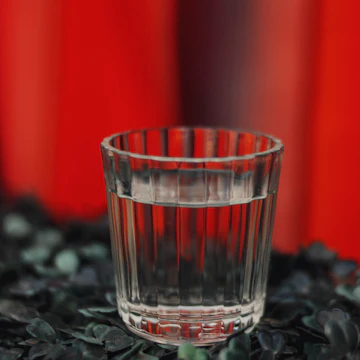
Mezcal was the aperitif course on menu No. 1 on October 1, 2026. Its clue in the game, which hints at the place without naming it:
A smoky spirit made from agave hearts roasted in earthen pits. Most of it comes from this southern state.
In Meridish, every dish is pinned to the town or city most widely credited with creating it. A guess within 25 km scores all 100 points. How scoring works.
Sources
- thewhiskyexchange.com/inspiration/article/17660/what-is-mezcal-history-production-styles-the-whisky-exchange
- mexiconewsdaily.com/culture/phillipines-role-in-mezcal
- en.wikipedia.org/wiki/Mezcal
Food history is often disputed. Think we've pinned it in the wrong place? Tell us at hello@meridish.com, ideally with a source.