The story
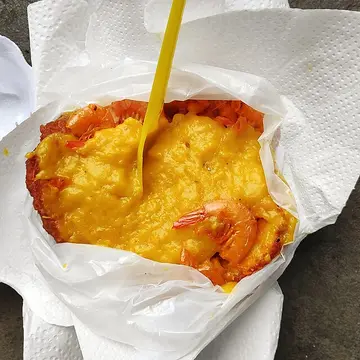
Acarajé descends from akara, black-eyed pea fritters of the Yoruba people of present-day Nigeria and Benin, brought to Brazil by enslaved Africans. In Salvador, the old colonial capital of Bahia, it became both a sacred offering in Candomblé and a street snack. From the 1800s women known as baianas de acarajé sold the fritters from trays, dressed in white, and some used the money to buy family members out of slavery before abolition in 1888. Today hundreds of baianas fry them in palm oil and fill them with spicy shrimp pastes, and Brazil listed their craft as national heritage in the mid-2000s.
Rival claims
Descends from West African akara (Yoruba); the Brazilian dish and the baianas who sell it are rooted in Salvador, and recognised as national heritage in 2004.
Also known as akara, acaraje, akarajé.
On the Meridish menu
Acarajé was the street food course on menu No. 29 on October 29, 2026. Its clue in the game, which hints at the place without naming it:
Black-eyed pea fritters fried in palm oil and split for spicy shrimp paste, sold by women in white lace dresses. Enslaved Yoruba people brought the recipe to this port.
In Meridish, every dish is pinned to the town or city most widely credited with creating it. A guess within 25 km scores all 100 points. How scoring works.
Sources
Food history is often disputed. Think we've pinned it in the wrong place? Tell us at hello@meridish.com, ideally with a source.